

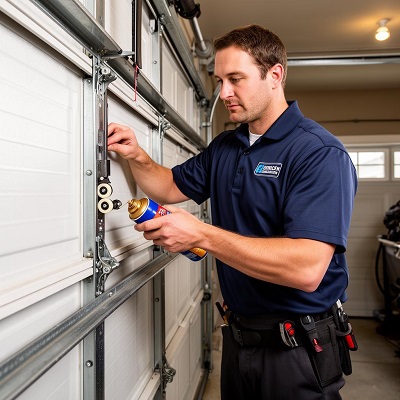
Most homeowners don't think about their garage door until it suddenly stops working. Since the garage door is often the largest moving part of your home, it experiences daily wear and tear every time it opens and closes. Over time, small issues can develop that may lead to expensive repairs or even complete system failure if they are ignored.
Professional garage door maintenance is designed to catch these problems early. Instead of waiting for a broken spring, damaged cable, or malfunctioning opener, regular maintenance helps keep your garage door operating safely, quietly, and efficiently throughout the year.
Whether your garage door is brand new or several years old, scheduling routine maintenance is one of the easiest ways to protect your investment and avoid unexpected breakdowns.
A garage door consists of dozens of moving parts that work together every day. Springs lift hundreds of pounds, rollers move along the tracks, cables support the weight of the door, and the opener controls every cycle.
When one component begins to wear out, it often places extra stress on the rest of the system. A small problem that could have been fixed during a maintenance visit may eventually cause multiple parts to fail.
Professional maintenance helps identify worn components before they become major problems, improving both safety and performance.
Every maintenance appointment begins with a thorough inspection of the entire garage door system.
A trained technician carefully examines every major component for signs of wear, damage, rust, cracks, loose hardware, or improper operation.
During this inspection, professionals check:
Even if the door appears to be working normally, small issues can often be detected before they become noticeable to homeowners.
One of the most important parts of maintenance is checking the balance of the garage door.
A properly balanced door should stay in place when manually lifted halfway open. If the door quickly falls or rises on its own, it usually indicates that the springs need adjustment or replacement.
An unbalanced door forces the garage door opener to work much harder than it should, leading to unnecessary wear and shortening the life of the motor.
Keeping the door properly balanced helps improve safety while reducing strain on the entire system.
Garage door springs carry most of the weight of the door.
Because they operate under extremely high tension, springs naturally wear out after thousands of opening and closing cycles.
During maintenance, technicians inspect the springs for:
Finding these problems early can prevent a sudden spring failure that could leave your garage door stuck closed.
Garage door cables work together with the springs to safely lift and lower the door.
Technicians inspect the cables for:
Damaged cables should never be ignored because they play a major role in supporting the weight of the garage door.
Rollers allow the garage door to move smoothly along the tracks.
Over time, rollers can become worn, cracked, chipped, or noisy.
During maintenance, technicians check that each roller turns freely and moves properly within the track.
Replacing worn rollers before they fail helps reduce noise and creates smoother operation.
Garage door tracks guide the door during every opening and closing cycle.
Even a small bend or slight misalignment can cause the door to shake, stick, or move unevenly.
During maintenance, technicians inspect the tracks for:
Minor adjustments can often restore smooth movement before larger problems develop.
Proper lubrication helps reduce friction between moving components.
During maintenance, technicians apply high-quality lubricant to important parts such as:
Lubrication helps reduce noise, minimize wear, and improve the overall performance of the garage door.
Every time your garage door opens and closes, vibration causes nuts, bolts, screws, and brackets to gradually loosen.
Professional maintenance includes checking and tightening all hardware throughout the system.
Loose hardware can affect the stability of the door and may eventually lead to larger mechanical issues if left unattended.
The garage door opener is carefully tested to ensure it is operating correctly.
Technicians inspect:
If adjustments are needed, they can often be made during the maintenance visit to improve performance and reliability.
Modern garage doors include photo-eye safety sensors that prevent the door from closing when an object, child, or pet is in its path.
During maintenance, technicians:
Properly functioning safety sensors are essential for protecting your family and preventing accidents.
The weather seal around the garage door helps keep out rain, dust, insects, and outdoor temperatures.
During maintenance, technicians inspect the seals for:
Replacing worn weather stripping improves energy efficiency while helping protect items stored inside the garage.
Once every component has been inspected and serviced, the technician performs several complete opening and closing cycles.
During this final test, they verify:
This final inspection ensures that the garage door is operating as safely and efficiently as possible before the appointment is complete.
For most homeowners, professional garage door maintenance should be scheduled once a year.
If your garage door is used multiple times each day, or if your home has several drivers, maintenance every six months may provide even better protection.
Routine maintenance is especially important if you notice unusual noises, slower movement, uneven operation, or visible wear on any part of the system.
Your garage door works hard every day, and regular maintenance is the best way to keep it performing at its best. A professional maintenance visit includes a complete inspection, lubrication, adjustments, safety testing, and evaluation of every major component.
By identifying small issues before they become costly repairs, you can extend the life of your garage door, improve safety, and enjoy reliable operation year after year.
If it's been more than a year since your last service, now is the perfect time to schedule a professional garage door maintenance appointment and keep your system running smoothly.


