

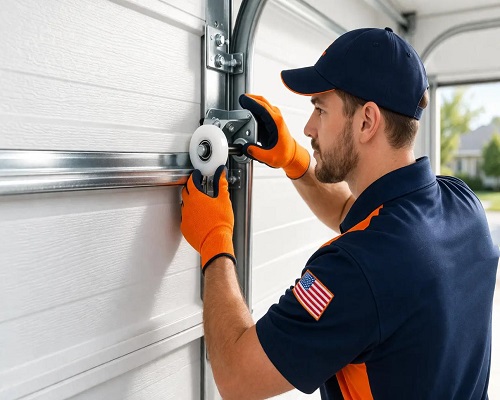
Garage door safety sensors are an important part of an automatic garage door system. They help protect people, pets, vehicles, and other objects by preventing the garage door from closing when something is in its path.
When these sensors stop working correctly, your garage door may refuse to close, reverse unexpectedly, or behave differently than usual. These problems can be frustrating, especially when you need to leave home or secure your garage.
Understanding how garage door safety sensors work can help you recognize common problems and know when to call a professional garage door technician.
In this guide, we will explain how garage door safety sensors work, what causes them to stop working, how to identify sensor problems, and when professional garage door repair may be necessary.
Garage door safety sensors are small electronic devices usually installed near the bottom of the garage door tracks, close to the floor.
Most modern automatic garage door openers use two sensors. One sensor sends an invisible infrared beam, while the other receives it.
When the beam is interrupted by a person, pet, vehicle, or object, the system detects that something is in the door's path. The opener is designed to prevent the door from closing or reverse its movement, depending on the situation and opener system.
These sensors are an important safety feature because garage doors are heavy and can cause serious injuries or property damage if they close on something.
Garage door safety sensors work by sending and receiving an infrared light beam across the opening of the garage door.
Here is how the process works:
The sending sensor transmits a beam. One sensor sends an invisible infrared signal across the garage door opening.
The receiving sensor detects the beam. The second sensor receives the signal when the path is clear.
The opener checks the signal. The garage door opener uses the sensor signal to determine whether it is safe to close the door.
The door responds to an obstruction. If the beam is interrupted or the sensors cannot communicate correctly, the opener may prevent the door from closing or reverse it.
If the sensors become dirty, misaligned, disconnected, or damaged, the opener may interpret the situation as unsafe.
This is why a garage door may stop closing even when there is nothing visible in its path.
Several issues can prevent garage door safety sensors from working correctly. Some problems are easy to identify, while others require professional inspection.
Dust, dirt, spiderwebs, and other debris can collect on the sensor lenses over time.
When the lenses become dirty, the infrared beam may not reach the receiving sensor properly. This can prevent the garage door from closing or cause it to reverse.
What you can do:
Gently wipe the sensor lenses with a soft, dry cloth. Remove any visible dust or spiderwebs around the sensor area.
Avoid using harsh chemicals or applying excessive pressure to the lenses.
If the garage door still does not close properly after cleaning, the problem may involve alignment, wiring, or a damaged sensor.
Misalignment is another common cause of garage door sensor problems.
The sensors must face each other correctly so the receiving sensor can detect the infrared beam. If one sensor is bumped, its bracket becomes loose, or the mounting position changes, the beam may be interrupted.
You may notice that the sensor indicator lights are off, blinking, or showing a different pattern from normal. The exact meaning of these lights depends on the opener manufacturer and model.
What you can do:
Check whether the sensor brackets appear loose or whether anything has bumped the sensors.
You can remove objects blocking the sensor path, but avoid forcing the sensors or adjusting electrical connections. If the sensors remain misaligned, a technician can inspect and position them correctly.
Sometimes the sensors are working correctly, but an object is blocking the path between them.
Common examples include:
Storage boxes
Trash cans
Bicycles
Garden tools
Vehicles parked too close to the sensors
Bags or other items placed near the garage door
Even a small object can interrupt the infrared beam.
What you can do:
Check the area between both sensors and remove anything blocking the path. Make sure the sensor area remains clear when the garage door is operating.
Garage door safety sensors need working electrical connections to communicate with the opener.
Loose wiring, damaged insulation, worn connections, or corrosion can interrupt the sensor signal.
Possible signs of a wiring problem include sensor lights that turn on and off unexpectedly, sensors that work intermittently, or a garage door that refuses to close even when the lenses are clean and the sensors appear aligned.
What you can do:
Look for obvious visible damage without touching exposed wires or electrical connections.
If you notice damaged wiring or suspect an electrical issue, contact a qualified garage door technician. Electrical repairs should be handled safely and according to the opener manufacturer's instructions.
Like other electronic components, garage door sensors can wear out or become damaged.
A sensor may fail because of age, moisture, physical impact, electrical problems, or internal component failure.
If the lenses are clean, the path is clear, and the sensors appear correctly positioned, but the door still does not close, one or both sensors may need professional testing.
A technician can determine whether the problem is caused by a faulty sensor, damaged wiring, or the garage door opener itself.
In some garage door systems, strong direct sunlight can interfere with the receiving sensor.
This may happen when sunlight reaches the sensor at a particular angle, especially during certain times of the day.
You may notice that the garage door works normally in the morning or evening but refuses to close during bright sunlight.
The exact behavior depends on the sensor design and opener model.
If the problem happens repeatedly at the same time of day, sunlight interference may be worth investigating. A professional can check the sensor positioning and recommend a suitable solution without compromising the safety system.
Garage door sensors are installed close to the floor, where they may be exposed to water, damp conditions, or moisture from cleaning.
Excess moisture can affect electrical connections or damage sensor components.
If the sensors have been exposed to water and the garage door stops working, avoid opening electrical housings or attempting to dry internal components yourself.
A technician can inspect the sensors and wiring and determine whether cleaning, repair, or replacement is necessary.
Not every garage door sensor problem is caused by the sensors themselves.
The garage door opener may have a control board problem, damaged wiring terminals, or another electrical fault that affects how it receives the sensor signal.
If the sensor lights appear normal but the garage door still refuses to close, the opener may need inspection.
A professional technician can test the entire system to identify the source of the problem before recommending a repair.
Recognizing the warning signs can help you identify a possible sensor problem early.
Common signs include:
The garage door will not close completely.
The door begins closing and then reverses.
The opener's indicator light flashes.
The sensor lights are off or blinking.
The garage door works intermittently.
The door closes only when the sun is not shining directly on the sensors.
The door responds to the wall button but will not close normally.
The opener displays a sensor-related error.
These symptoms can also be caused by other problems, so they do not always confirm that a sensor is faulty.
Check your garage door opener's manual for the meaning of its indicator lights and error codes.
If your garage door starts closing but immediately goes back up, the safety sensors are one possible cause.
When the opener detects an interrupted sensor beam, it may reverse the door to prevent an accident.
However, other issues can produce similar symptoms, including incorrect travel-limit settings, resistance from damaged tracks or rollers, and problems with the opener's closing-force system.
Start by checking for obstructions and cleaning the sensor lenses. If the door continues reversing, have the opener and garage door system inspected.
Do not disable the safety sensors to force the door to close.
If you suspect a sensor problem, a few basic checks may help identify the cause.
Make sure nothing is blocking the path between the two sensors.
Move boxes, tools, bicycles, and other objects away from the garage door opening.
Use a soft, dry cloth to gently remove dirt and dust from both sensor lenses.
Avoid spraying cleaning products directly onto the sensors.
Look at the sensor lights without touching the wiring.
Depending on the opener model, a steady light may indicate that a sensor is receiving the signal correctly, while a blinking or absent light may indicate a problem.
Check the manufacturer's instructions because indicator patterns differ between systems.
Look for sensor brackets that appear loose, damaged lenses, or visible wire damage.
Do not pull on wires, open electrical housings, or attempt repairs involving exposed electrical components.
After removing obstructions and cleaning the lenses, use the normal wall control or remote to test the door.
Keep people, pets, and objects away from the moving door.
If the door still refuses to close, stop troubleshooting and contact a garage door professional.
Some garage door sensors can be replaced, but the process depends on the opener model and the type of sensor system installed.
The replacement sensors must be compatible with the opener and installed, wired, and aligned according to the manufacturer's instructions.
Incorrect installation can prevent the sensors from working properly and may create a safety risk.
If you are unsure which sensors your opener requires, or if the problem involves wiring or the opener's electrical components, professional garage door sensor repair is recommended.
A technician can identify the correct replacement parts, install the sensors, and verify that the safety system operates properly.
The cost of garage door safety sensor repair depends on the cause of the problem.
Cleaning an obstructed sensor may not require replacement parts. However, repairing damaged wiring, realigning sensors, replacing faulty components, or diagnosing an opener problem may involve additional labor and materials.
The final price can also depend on the opener model and whether other parts of the garage door system need attention.
Before approving a repair, ask for an estimate that explains the problem, the recommended work, and any replacement parts needed.
Regular attention to your garage door system can help reduce sensor problems and keep the door operating safely.
Here are a few useful maintenance tips:
Keep the sensor lenses clean.
Avoid placing boxes or equipment in front of the sensors.
Keep sensor brackets protected from accidental impacts.
Watch for damaged or loose-looking wiring.
Pay attention to unusual garage door behavior.
Arrange professional maintenance if the sensors stop working repeatedly.
Follow the manufacturer's instructions for testing the safety system.
Do not paint over the sensor lenses, cover the sensors, or disconnect them to prevent reversing.
Garage door safety sensors are designed to help prevent the door from closing when an obstruction is detected.
Without a properly functioning safety system, an automatic garage door may not respond as intended when a person, pet, vehicle, or object is in its path.
A sensor problem should never be ignored simply because the garage door still opens.
Keeping the sensors in good working condition helps support the safe operation of your garage door and opener.
Professional service may be necessary when basic troubleshooting does not solve the problem.
Contact a garage door technician if:
The garage door will not close after cleaning the sensors.
The sensor lights remain off or continue blinking.
The sensors appear damaged.
The wiring is loose or damaged.
The door repeatedly reverses for no clear reason.
Sunlight interference continues to affect operation.
The opener displays a sensor error.
You suspect a problem with the opener's control board.
A professional can inspect the sensors, wiring, opener, tracks, and other components to identify the actual cause of the malfunction.
If your garage door will not close because of a sensor problem, getting the correct diagnosis can help restore normal operation.
Garage door safety sensor problems may involve dirty lenses, misaligned sensors, damaged wiring, faulty electronic components, or an issue with the opener itself.
Professional garage door repair can help identify the cause and determine whether the system needs adjustment, repair, or replacement.
If you need garage door sensor repair in Indianapolis, a qualified technician can inspect your system and help restore reliable operation while keeping its safety features in place.
A blinking sensor light may indicate misalignment, an obstruction, wiring trouble, or another sensor-related issue. The meaning depends on your garage door opener model. Check the manufacturer's manual for the correct indicator pattern.
Yes. Dirt, dust, or spiderwebs on the sensor lenses can interfere with the infrared beam and prevent the opener from closing the door normally.
Some openers may behave differently when the safety sensor system detects a fault. The exact response depends on the model. Do not use this behavior as a workaround or bypass the safety system. Have the sensors and opener inspected.
Many systems use indicator lights to show sensor status, but their appearance and meaning vary by manufacturer. Consult your opener's manual to determine what the lights should show during normal operation.
No. Bypassing or disabling the sensors removes an important safety feature and can increase the risk of injury or property damage. The correct solution is to identify and repair the problem.
Their lifespan varies depending on the model, usage, environment, and maintenance. Sensors may last for years, but physical damage, moisture, wiring problems, or electronic failure can require earlier replacement.
Yes. Keeping the lenses clean, making sure the sensor area remains clear, and addressing warning signs early can help maintain reliable operation. Follow the manufacturer's safety-testing and maintenance instructions.
Garage door safety sensors play an important role in the safe operation of automatic garage doors. When they become dirty, misaligned, blocked, or damaged, the door may refuse to close or reverse unexpectedly.
Start with simple checks, such as removing obstructions and cleaning the sensor lenses. If the problem continues, a professional inspection can help determine whether the sensors, wiring, or opener needs repair.
Never disable the safety system to make the door close. Properly working garage door sensors help protect your family, pets, vehicles, and property while keeping your garage door operating as intended.


